Carpet Cleaning: How to Clean a Carpet & Keep It Fresh
Last updated:
To clean a carpet, vacuum regularly, remove stains immediately, use a suitable cleaner for the carpet material, and allow the carpet to dry completely. Regular carpet cleaning helps remove dirt, prevent odours, and extend carpet life.
A carpet adds comfort and warmth to any home, but daily foot traffic, spills, dust, and pet hair can lead to deep-seated dirt and stains over time. In this guide, you'll learn how to clean and deep clean a carpet, how to remove common carpet stains, and which cleaning methods are suitable for different carpet materials. You'll also find practical tips for keeping carpets clean and fresh for longer.
Carpet Cleaning: Key Facts at a Glance
- Vacuum carpets regularly to prevent dirt build-up.
- Remove carpet stains immediately for the best results.
- Blot stains gently instead of rubbing them.
- Always test cleaning products on an inconspicuous area first.
- Natural fibre carpets such as wool, sisal, or jute require extra-gentle cleaning.
- Allow carpets to dry completely after any wet cleaning process.
- Household remedies may help with light soiling.
- For stubborn stains, use the correct carpet cleaner for your carpet type.
How often should you clean a carpet?
The ideal cleaning frequency depends on the carpet material, household conditions, and level of use.
Vacuuming: Once or twice a week, or more frequently in high-traffic areas and homes with pets.
Deep cleaning: Typically every 12–24 months, depending on the carpet material, level of use and manufacturer's care instructions.
Stain removal: Treat spills and stains as soon as possible.
Looking for specific carpet stain removal advice? Explore our guides to removing coffee, red wine, pet, mud and food stains from carpets, as well as tackling carpet odours.
How to clean a carpet in 5 steps
Step 1. Remove Loose Dirt
Vacuum the carpet thoroughly to remove dust, hair, and loose dirt particles.
Step 2. Identify the Carpet Material and Stain Type
Choose a suitable cleaning method based on the carpet fibre and the type of stain. Natural fibres such as wool, sisal, or jute require gentler cleaning than synthetic carpets.
Step 3. Test the Cleaner First
Always test the cleaning product on an inconspicuous area to check for colourfastness and material compatibility.
Step 4. Treat and Remove the Stain
Blot fresh stains with a clean cloth, working from the outside in. Apply the cleaning product according to the instructions and allow it to work for the recommended contact time.
Step 5. Allow the Carpet to Dry Completely
After cleaning, allow the carpet to dry completely. Good ventilation can help speed up drying and reduce the risk of musty odours or moisture-related problems.
How to Deep Clean a Carpet
Deep cleaning a carpet helps remove dirt that regular vacuuming cannot reach. Start by vacuuming thoroughly to remove loose dirt and dust. Check the carpet material and manufacturer's care instructions before using water or a cleaning product. Apply a suitable carpet cleaning method without over-wetting the fibres, then allow the carpet to dry completely before walking on it again.
Delicate natural fibres such as wool, sisal and jute may require specialised cleaning and should not be excessively wet.
How to Remove Common Carpet Stains
Different carpet stains require different treatments. In general, act as quickly as possible and blot fresh stains gently rather than rubbing them into the carpet fibres. Remove any solid residue carefully, identify the type of stain and carpet material, and use a suitable carpet stain remover according to the product instructions.
Coffee, red wine, food, grease, mud and pet stains can require different cleaning approaches. For specific stains, follow the appropriate stain removal method and always test the treatment on an inconspicuous area first.
The Dr. Beckmann Carpet Stain Brush has been specially developed to remove common household carpet stains. It is suitable for Coffee, Red wine, Cola, Make-up, everyday dirt and mud stains.
For stubborn stains, using a dedicated carpet stain remover can provide a more targeted solution than general household remedies. The right product depends on the type of stain and whether you are dealing with everyday spills or pet-related stains and odours.
How to Clean Different Types of Carpets
Not every carpet can be cleaned using the same method. Before cleaning or deep cleaning a carpet, always check the manufacturer's care instructions and identify the fibre type. Not every carpet is suitable for wet or steam cleaning, particularly moisture-sensitive natural fibres.
Wool carpets require gentle cleaning to protect their natural fibres. Vacuum regularly and blot spills immediately with a clean cloth. Avoid excessive water, harsh chemicals, and vigorous scrubbing, as these may damage the carpet. Always test cleaning products on an inconspicuous area first and allow the carpet to dry thoroughly after cleaning.
Sisal carpets require gentle cleaning, as natural sisal fibres are sensitive to moisture. Vacuum regularly to remove dust and dirt, and blot spills immediately with a clean, dry cloth. Avoid excessive water, steam cleaning, and harsh cleaning products, as these can damage the fibres or cause staining. Always use a suitable cleaner for natural fibres and allow the carpet to dry thoroughly after cleaning.
Jute carpets require gentle cleaning, as the natural fibres are highly absorbent and sensitive to moisture. Vacuum regularly to remove dust and loose dirt, and blot spills immediately with a clean, dry cloth. Avoid excessive water, steam cleaning, and harsh chemicals, as these can damage the fibres or cause discolouration. Always use a suitable cleaner for natural fibre carpets and allow the carpet to dry thoroughly after cleaning.
Synthetic carpets are generally durable and easy to maintain, making them well suited to regular cleaning. Vacuum frequently to remove dust and dirt, and treat spills promptly by blotting them with a clean cloth. Most synthetic fibres tolerate moisture better than natural carpets, but excessive water should still be avoided. Always use a suitable carpet cleaner and test it on an inconspicuous area before cleaning larger sections.
How to Clean a Carpet with Household Remedies
Household remedies such as baking soda or diluted white vinegar are sometimes used for minor carpet stains and odours. However, their suitability depends on the carpet material and type of stain. Always follow the carpet manufacturer's care instructions and test any treatment on an inconspicuous area first. For stubborn stains, a dedicated carpet stain remover provides a more targeted solution.
Sprinkle a small amount of baking soda over the dry affected area, allow it to work, then vacuum thoroughly. Always check whether baking soda is suitable for the carpet material first.
Diluted white vinegar is sometimes used to treat minor carpet stains and odours. However, it is not suitable for every carpet material, so always test it on an inconspicuous area first.
How to Use
- Mix 1 part vinegar with 2 parts water.
- Apply to the stain.
- Gently blot the area.
- Rinse with clean water.
A mild washing-up liquid can help remove fresh grease and food stains.
How to Use
- Mix a few drops of dish soap with lukewarm water.
- Treat the stain carefully.
- Wipe with clean water afterwards.
Common Carpet Cleaning Mistakes to Avoid
- Rubbing stains instead of blotting
- Using too much water
- Skipping a patch test before cleaning
- Using harsh cleaning chemicals
- Leaving carpets damp after cleaning
- Waiting too long to treat fresh stains
How to Keep Your Carpet Cleaner for Longer
Regular carpet care can reduce dirt build-up and make deep cleaning necessary less often. A few simple habits can help keep carpets clean and fresh for longer:
- Use doormats at entrances
- Remove shoes indoors whenever possible
- Clean spills immediately
- Rotate the carpet regularly
- Follow care instructions
Carpet Cleaning: Key Takeaways
Keep carpets looking their best by vacuuming regularly and treating stains as soon as they occur. Always blot rather than rub, check the carpet material before cleaning and avoid excessive moisture, especially on delicate natural fibres. Allow the carpet to dry completely and use a suitable carpet cleaner for stubborn stains.
FAQ
A carpet should be vacuumed at least once or twice per week. Deep cleaning is recommended approximately every one to two years.
Fresh stains should be blotted immediately and then treated with a suitable stain remover or household remedy.
To deep clean a carpet, vacuum thoroughly, treat stains, use a suitable carpet cleaner, and allow the carpet to dry completely afterwards.
You can clean a carpet without a machine by vacuuming regularly, blotting stains promptly, and using suitable carpet cleaners or household remedies where appropriate.
No. Natural fibres such as sisal, jute, and silk are sensitive to moisture and should be cleaned with extra care.
Baking soda is generally safe for most carpets when used correctly. Always test it on an inconspicuous area first, especially on delicate materials.
No. Vinegar may not be suitable for all carpet types, particularly delicate natural fibres. Always test it on a hidden area before use.
Drying time depends on the carpet material, humidity, and cleaning method, but most carpets take several hours to dry completely.
Professional carpet cleaning may be worth considering for heavily soiled carpets, extensive stains, water damage, or households with allergy sufferers.
Explore More Dr. Beckmann Cleaning Solutions
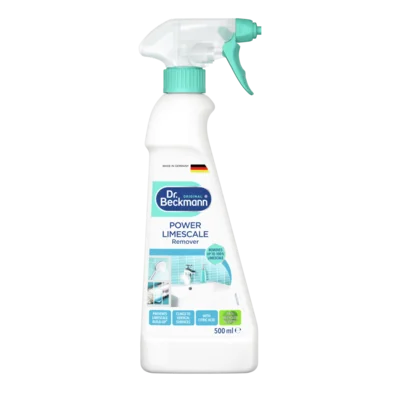
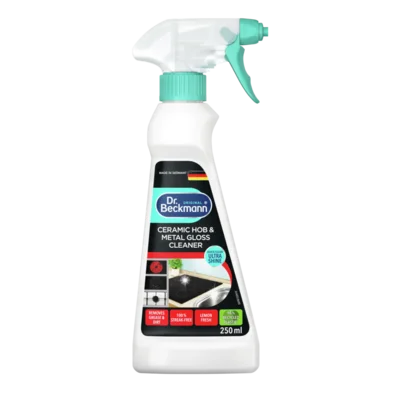
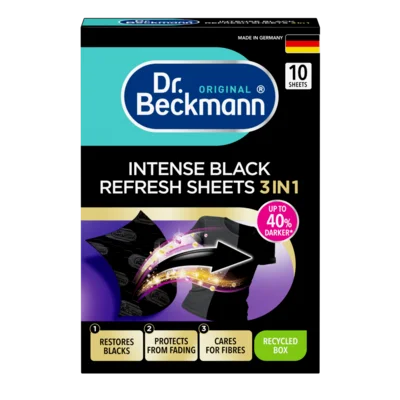
Dr. Beckmann also offers a selected range of household cleaners to help tackle everyday cleaning tasks throughout the home. There are products for many common cleaning challenges.