
Washing machine smells: causes and what to do
Last updated:
A musty smell when you open the washing machine door? Freshly washed laundry that no longer smells as fresh as expected? Or an unpleasant odour coming from the drum?
Unpleasant smells can develop when moisture, detergent and fabric-care residue, dirt and other deposits accumulate in different parts of the washing machine. The drum, detergent drawer, door seal and filter can all be affected.
Finding out where the smell is coming from is the first step. Once you identify the likely source, you can clean the affected area and take simple steps to help prevent unpleasant odours from returning.
Why does my washing machine smell?
Unpleasant washing machine smells usually develop when moisture and residue remain inside the appliance. Several factors can contribute to the problem.
Moisture remaining inside the machine
Some moisture can remain inside the washing machine after a wash cycle, particularly around the door seal, detergent drawer and other areas where water can collect. If these areas remain damp, unpleasant odours can develop over time.
Detergent and fabric-care residue
Detergent and fabric-care products can leave residue in the washing machine, especially when more product is used than needed. Over time, these residues can accumulate in the detergent drawer, drum and other parts of the machine and contribute to unpleasant smells.
Always use the amount of detergent recommended for the load size, degree of soiling and local water hardness.
Dirt around the door seal
Water, detergent residue, fibres and small particles can collect in the folds of the rubber door seal. Regularly check the seal and wipe away visible dirt and moisture with a soft, damp cloth.
Build-up in the detergent drawer
Detergent and fabric-softener residue can remain in the detergent drawer and its compartments. Check the drawer regularly and clean it according to your washing machine manufacturer’s instructions.
Dirt or debris in the filter
Lint, fibres and small objects can collect in the washing machine filter. If the filter requires cleaning, follow the appliance manufacturer’s instructions carefully, including the recommended procedure for draining any residual water before opening it.
Deposits inside the drum
Detergent residue, dirt and other deposits can build up inside the drum and other internal parts of the washing machine over time. Regular cleaning helps keep these areas clean and well maintained.
Poor ventilation after washing
Keeping the washing machine closed immediately after removing the laundry can make it harder for remaining moisture to dry. Where recommended by your appliance manufacturer, allowing the drum and detergent drawer to ventilate after use can help remaining moisture evaporate.
Where is the smell coming from?
Identifying where the odour is strongest can help you determine which part of the washing machine needs attention.
The drum smells
If the smell seems to come from inside the drum, detergent residue, dirt or other deposits may have accumulated inside the machine.
Check the drum for visible residue and clean the washing machine using a suitable cleaning programme or a product designed for washing machines. Always follow the cleaner instructions and your appliance manufacturer’s recommendations.
The detergent drawer smells
If the detergent drawer smells unpleasant, detergent or fabric-softener residue may have accumulated inside the drawer or its compartment.
Remove the drawer if your appliance manufacturer permits it and rinse it with warm water. A soft brush can help loosen stubborn residue. Also check and clean the compartment before reinstalling the drawer.
The door seal smells
The folds of the rubber door seal can retain moisture, detergent residue and small particles.
Carefully inspect the seal, including the folds, and wipe it with a soft, damp cloth. Use only cleaning products that are suitable for the material. If you notice visible damage to the seal, follow your appliance manufacturer’s recommendations.
The washing machine filter smells
The filter can collect lint, fibres, dirt and small objects. If the unpleasant smell appears to be coming from this area, check and clean the filter according to the washing machine manufacturer’s instructions.
Be prepared for residual water when opening the filter. Follow the recommended draining procedure and place a suitable container or towel underneath if necessary.
Freshly washed laundry smells musty
If the washing machine itself does not smell particularly strong but freshly washed laundry smells musty, check both the appliance and your washing routine.
Residue or moisture in the drum, detergent drawer, door seal or filter may contribute to unpleasant smells. Leaving damp laundry in the washing machine for an extended period after the cycle has finished can also affect freshness.
Remove laundry promptly after washing and check the washing machine for visible residue or areas where moisture remains.
How to remove unpleasant smells from a washing machine
If your washing machine smells, work through the areas where moisture and residue are most likely to accumulate.
1. Check the drum
Remove any laundry and inspect the drum for visible dirt or residue. If cleaning is required, use a cleaning programme or washing machine cleaner suitable for your appliance and follow the relevant instructions.
2. Clean the detergent drawer
Check the detergent drawer and its compartments for detergent and fabric-softener residue. Remove and rinse the drawer if permitted by the appliance manufacturer and clean the surrounding compartment where necessary.
3. Check the door seal
Carefully inspect the rubber door seal, particularly inside the folds. Remove visible dirt and wipe away moisture with a soft, damp cloth.
4. Clean the filter
Check the washing machine filter according to your appliance manufacturer’s instructions. Remove accumulated lint, fibres or small objects and rinse the filter if recommended.
5. Use a suitable washing machine cleaner
For more thorough cleaning, use a cleaning product specifically designed for washing machines. Follow the product instructions, including any requirements regarding dosage, programme, temperature and whether the machine should be empty.
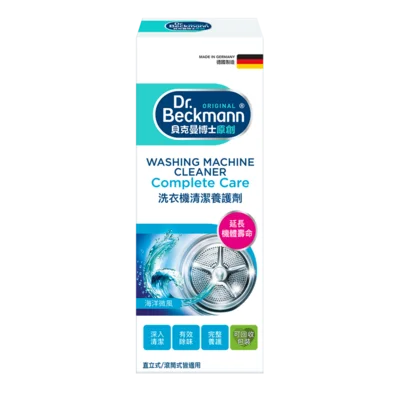
Discover the washing machine cleaning solutions from Dr. Beckmann available in your country.
6. Allow the washing machine to ventilate
After removing the laundry, allow remaining moisture to evaporate where this is consistent with your appliance manufacturer’s recommendations. Pay particular attention to the drum, door seal and detergent drawer.
For detailed instructions covering the drum, detergent drawer, door seal, filter and descaling, see our guide How to clean a washing machine.
Can home remedies remove washing machine smells?
Household remedies such as bicarbonate of soda, citric acid or vinegar are sometimes suggested for dealing with washing machine odours, deposits or limescale. However, not every substance is suitable for every washing machine or component. Acids in particular can affect certain materials and seals.
Before using any household remedy, check your washing machine manufacturer’s care instructions. Do not improvise concentrations or dosages, and only use a substance if it is suitable for your appliance.
For more information about bicarbonate of soda, citric acid, vinegar and other cleaning methods, see Can home remedies be used to clean a washing machine? in our washing machine cleaning guide.
How to help prevent washing machine smells
A few routine habits can help reduce the conditions that contribute to unpleasant odours:
- Remove laundry promptly after the wash cycle.
- Check the door seal regularly and remove visible moisture and residue.
- Keep the detergent drawer clean.
- Check and clean the filter according to the appliance manufacturer’s instructions.
- Use the correct amount of detergent for the load size, degree of soiling and local water hardness.
- Avoid overloading the washing machine.
- Allow the appliance to ventilate after use where recommended by the manufacturer.
- Follow the manufacturer’s recommendations for cleaning and maintenance programmes.
- Clean the washing machine regularly rather than waiting for strong odours to develop.
Brief summary
Unpleasant washing machine smells can develop when moisture, detergent and fabric-care residue, dirt and other deposits accumulate inside the appliance.
If your washing machine smells, first try to identify where the odour is coming from. Check the drum, detergent drawer, door seal and filter and clean the affected areas according to your appliance manufacturer’s instructions.
Correct detergent dosing, regular cleaning, prompt removal of wet laundry and adequate ventilation after washing can help prevent unpleasant smells from returning.
For a complete cleaning routine, including detailed instructions for the drum, detergent drawer, door seal, filter and descaling, see our guideHow to clean a washing machine.
FAQ: Washing machine smells
A musty smell can develop when moisture and residues remain inside the washing machine. Check areas where moisture or dirt can accumulate, including the door seal, detergent drawer, drum and filter, and clean them according to the appliance manufacturer’s instructions.
If an unpleasant smell remains after cleaning, check whether all relevant areas have been cleaned, including the detergent drawer, door seal and filter. If the smell persists despite appropriate cleaning, consult the troubleshooting information provided by your washing machine manufacturer or arrange professional servicing if necessary.
Freshly washed laundry can develop an unpleasant smell if damp laundry remains in the machine for too long or if residue, dirt or moisture has accumulated inside the appliance. Remove laundry promptly after the cycle and check the drum, detergent drawer, door seal and filter.
Check and clean the drum, detergent drawer, door seal and filter according to the appliance manufacturer’s instructions. A suitable washing machine cleaner can be used where necessary. Correct detergent dosing and allowing moisture to evaporate after washing can also help prevent odours from returning.
Vinegar is sometimes suggested for washing machine cleaning, but its acidity may affect certain seals and other sensitive materials. Only use vinegar if your washing machine manufacturer permits it and follow the relevant instructions.
Remove wet laundry promptly, use the correct amount of detergent, regularly check the door seal, detergent drawer and filter, and clean the appliance as recommended by its manufacturer. Allowing remaining moisture to evaporate after washing, where recommended for your appliance, can also help.
Discover more washing machine care solutions
Regular care can help keep your washing machine clean and well maintained. Dr. Beckmann offers practical solutions for cleaning washing machines and tackling deposits and unpleasant odours.