Red Win Stain Removal: Expert Tips & Solutions
Last updated:
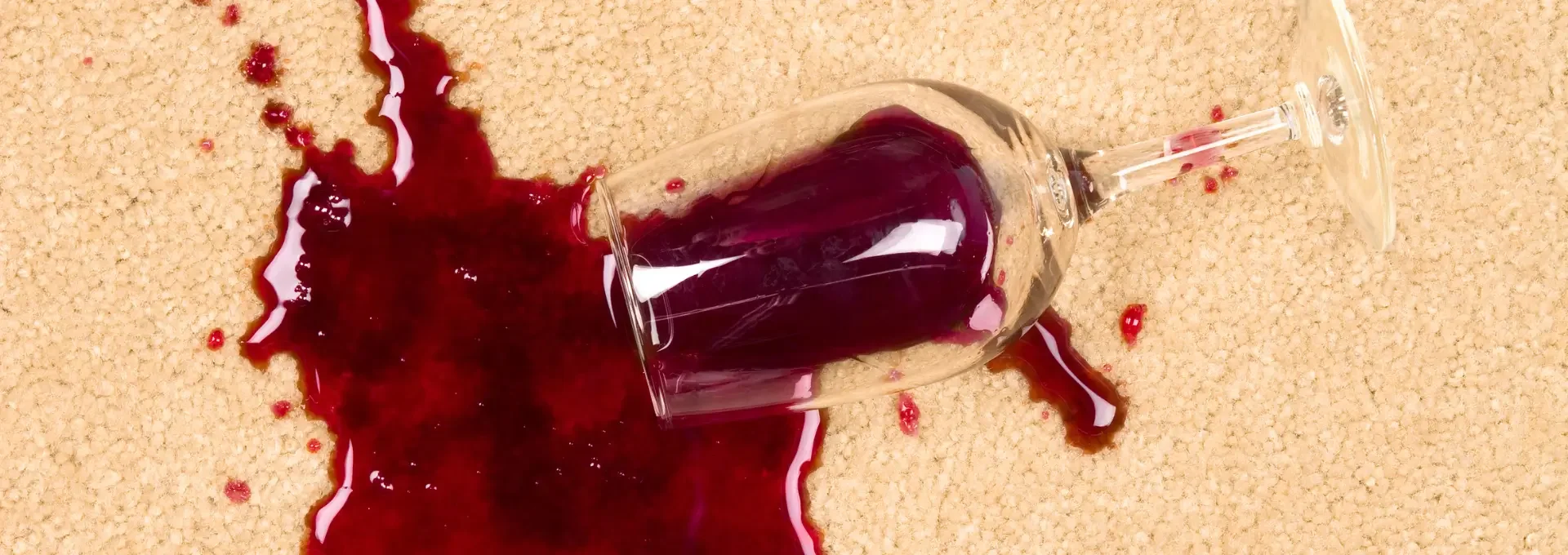
A spilled glass of red wine can quickly turn a relaxed dinner, celebration, or evening with friends into a stain-removal challenge. Red wine contains strong natural color pigments called anthocyanins, which can penetrate textile fibers and leave stubborn stains behind. The sooner you act, the better the chances of complete removal. Learn how to remove red wine stains effectively from clothing, delicate fabrics, carpets, upholstery, and table linens using household remedies and specialized Dr. Beckmann products.
5 key facts about red wine stains
- Fresh red wine stains are much easier to remove than dried stains.
- Fast action can significantly improve stain-removal success.
- Avoid rubbing, as this pushes the stain deeper into the fibers.
- Red wine contains strong color pigments that can quickly discolor fabrics.
- Specialized stain removers are often the most effective solution for stubborn stains.
Where can red wine stains occur?
Red wine stains commonly appear on a variety of household textiles and surfaces.
Clothing: Shirts, blouses, dresses, trousers, and evening wear are frequently affected during meals and celebrations.
Delicate fabrics: Silk, wool, linen, and other delicate materials require careful treatment to prevent damage.
Carpets: Red wine can quickly soak into carpet fibers and cause deep discoloration.
Upholstery: Sofas, armchairs, dining chairs, cushions and car seats are common surfaces affected by spills.
Tablecloths and napkins: Dining textiles are particularly prone to red wine stains during dinners, parties, and special occasions.
Why are red wine stains so stubborn?
Red wine contains natural color pigments called anthocyanins that can quickly penetrate textile fibers. As the stain dries, the pigments can bind more strongly to textile fibers, making removal more difficult.
Fresh versus dried red wine stains
Fresh red wine stains can often be removed more easily, while dried stains may require longer treatment times and repeated applications to achieve the best results.
Why heat can make red wine stains worse?
Before tumble drying or applying heat, make sure the stain has been completely removed. Heat can permanently set any remaining wine pigments into the fabric.
Which Dr. Beckmann products help remove red wine stains?
Dr. Beckmann offers specialized stain-removal solutions that effectively target beverage stains while helping to protect fabrics and fibers.

How to remove red wine stains from different materials
- Blot excess red wine immediately with a clean cloth.
- Rinse the stain from the back with cold water.
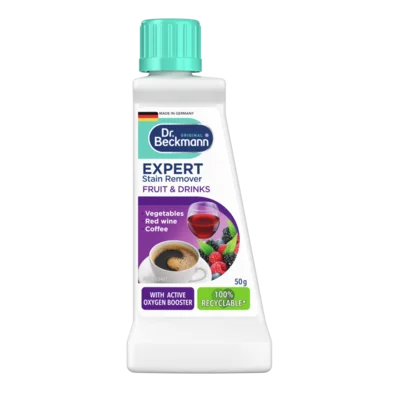
- Apply a suitable stain remover directly to the stain like Dr. Beckmann Expert Stain Remover Fruit & Drinks.
- Moisten stain, sprinkle with powder and remoisten.
- Remove powder after approx. 60 mins. For stubborn stains leave for longer, but keep stain wet.
- Wash the garment as recommended on the care label.
- Absorb as much liquid as possible using a clean cloth.
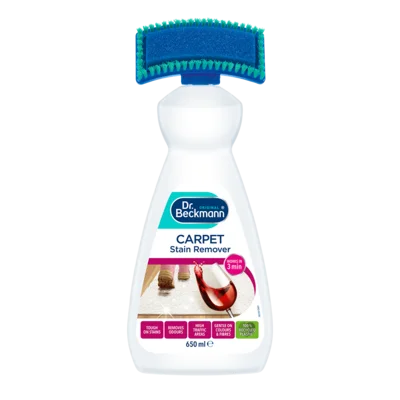
- Apply a suitable carpet cleaner like Dr. Beckmann Carpet Stain Remover.
- Work lightly into the fabric. Do not soak. Leave to work for 3 minutes.
- Blot away any residue with a damp light coloured cloth. Rinse brush after use.
- Leave the carpet to dry completely.
Important:
- Blot immediately.
- Avoid excessive moisture.
- Rinse the stain with cold water.
- Treat the stain with a stain remover like Dr. Beckmann Upholstery Stain Remover.
- Apply and work lightly into the fabric. Do not soak.
- Leave to work for 3 minutes.
- Completely dab off any residues with a damp light-coloured cloth. Rinse brush after use.If water-mark or ring appears, dab thoroughly with a damp, light-coloured cloth.
- Check the stain before drying.
- Repeat treatment if necessary.
Important: Treat the stain careully without saturating the filling material.
- Rinse the stain with cold water.
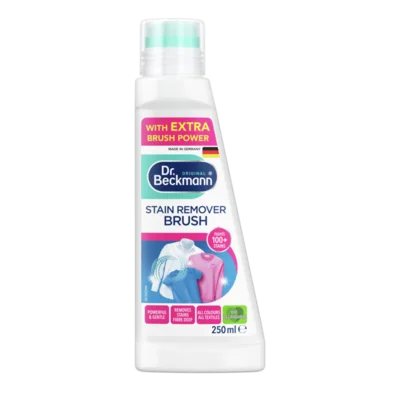
- Treat the stain with a stain remover like Dr. Beckmann Stain Remover Power Brush.
- Leave to work for up to 10 min.
- Wash according to the textile care instructions.
- Check the stain before drying.
- Repeat treatment if necessary.
5 Household remedies for red wine stains
For fresh or light red wine stains, several common household remedies may help absorb pigments and support stain removal.
Household remedies may help with fresh and light red wine stains, but older or deeply embedded stains often require specialized stain removers for reliable results.
A classic remedy that can absorb some of the spilled liquid before it penetrates deeper into the fabric.
The carbonation can help lift fresh red wine from textile fibers.
A paste made from baking soda and water may help absorb color pigments and loosen stains.
Can help break down color pigments and support stain removal on washable fabrics.
Its natural acidity may help brighten residual discoloration, especially on light-colored textiles.
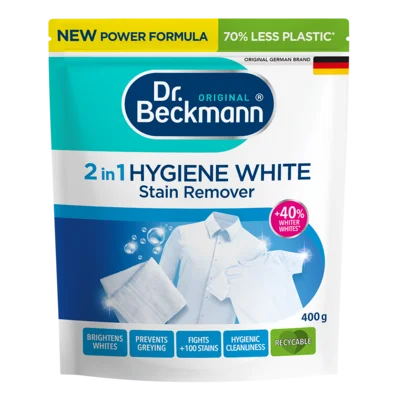
Additional Dr. Beckmann Recommendations
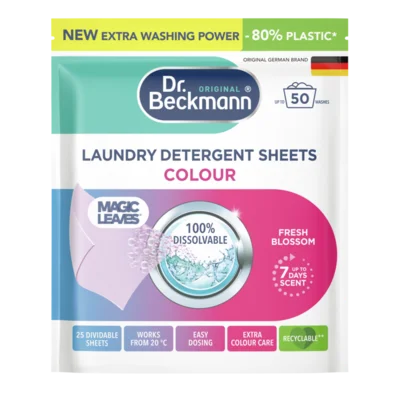
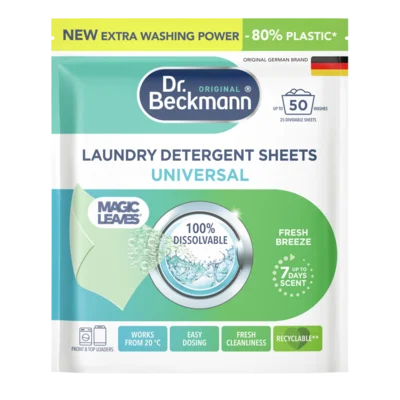
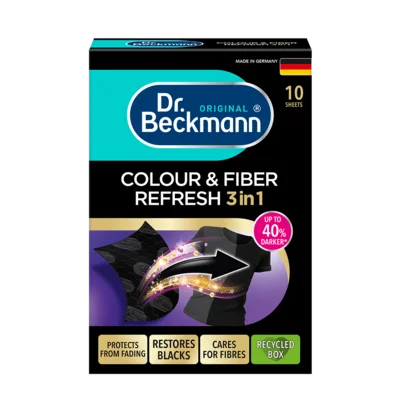
After successful stain removal, proper fabric care helps maintain freshness and prolong the life of your textiles.

FAQ
Dried red wine stains should be treated as soon as possible. Soaking the stain and using a suitable stain remover can help loosen the pigments from the fibers.
Many red wine stains can removed successfully, especially when treated quickly. Older or dried stains may require repeated treatments and can sometimes leave slight discoloration.
Salt can help absorb fresh red wine before it penetrates deeper into the fabric. However, it is usually most effective when applied immediately after the spill occurs.
Cold water is generally recommended first. Hot water may cause remaining stain residues to become more difficult to remove.
Common household remedies include salt, sparkling water, baking soda, white vinegar and lemon juice. Their effectiveness depends on the age of the stain and the type of material affected.
Yes, red wine stains can often be removed from carpets and upholstery when treated promptly. Blotting the stain immediately and using suitable cleaning products can improve the results significantly.
Brief summary
Red wine stains are among the most noticeable beverage stains and can affect clothing, delicate fabrics, carpets, upholstery, and table linens. Acting quickly is crucial, as fresh stains are significantly easier to remove than dried ones. Household remedies such as salt, sparkling water, baking soda, vinegar, or lemon juice may help with light stains, while stubborn or older stains often require specialized stain removers. With the right treatment and suitable Dr. Beckmann products, red wine stains can usually be removed effectively, helping to keep textiles clean, fresh, and looking their best.