How to Clean Upholstery: Stains, Care & Deep Cleaning
Last updated:
To clean upholstery, vacuum the surface thoroughly, treat stains as soon as possible, use a cleaner suitable for the upholstery material, and allow the fabric to dry completely. Regular upholstery cleaning helps remove dust, dirt, stains and unwanted odours while keeping sofas, chairs and other upholstered furniture looking fresh and well cared for.
Sofas, armchairs and upholstered chairs are used every day and can quickly collect dust, crumbs, pet hair, body oils and accidental spills. Over time, these can leave upholstery looking dull or cause stubborn stains and unpleasant odours. In this guide, you'll learn how to clean upholstery properly, remove common stains and choose the right cleaning method for different upholstery materials.
Upholstery Cleaning: Key Facts at a Glance
- Vacuum upholstered furniture regularly to remove dust, crumbs and pet hair.
- Treat fresh stains as quickly as possible.
- Blot liquid stains gently instead of rubbing them into the fabric.
- Always check the manufacturer's care instructions before cleaning.
- Test cleaning products on a small, inconspicuous area first.
- Avoid excessive moisture, particularly on sensitive upholstery fabrics.
- Use a cleaning method suitable for the upholstery material.
- Allow upholstery to dry completely after cleaning.
How Often Should You Clean Upholstery?
How often upholstery needs cleaning depends on how frequently the furniture is used, the material and your household.
Vacuuming: Vacuum sofas and other frequently used upholstered furniture regularly to prevent dust, crumbs, hair and other particles from building up.
Stain treatment: Treat spills and stains as soon as possible. Fresh stains are generally easier to remove than dried-in stains.
Deep cleaning: Deep-clean upholstery when necessary according to the care instructions provided by the furniture or fabric manufacturer. High-use furniture and homes with children or pets may require more frequent cleaning.
Dealing with a specific stain? Explore our stain removal guides for coffee, red wine, grease, make-up, food and other common upholstery stains.
How to Clean Upholstery in 5 Steps
Step 1. Remove Loose Dirt
Vacuum the upholstery thoroughly before using any cleaning product. Remove cushions where possible and vacuum seams, crevices and areas where crumbs, dust and pet hair tend to collect.
Step 2. Identify the Upholstery Material and Stain
Before cleaning, check what material the upholstery is made from and identify the type of stain you are dealing with. Cotton, synthetic fabrics, microfibre and delicate upholstery materials may require different cleaning methods.
Always check the manufacturer's care instructions before applying water or cleaning products.
Step 3. Test the Cleaner First
Before treating a visible area, test the cleaning product on a small, inconspicuous section of the upholstery. Check for colour changes, discolouration or any other reaction before continuing.
Step 4. Treat and Remove the Stain
Blot fresh liquid stains gently with a clean, absorbent cloth. Avoid rubbing, as this may spread the stain further or work it deeper into the fibres.
Apply a cleaner suitable for the upholstery material according to the product instructions. Pay particular attention to the recommended amount and contact time.
Step 5. Allow the Upholstery to Dry Completely
After cleaning, allow the upholstery to dry thoroughly before using the furniture again. Good ventilation can help speed up the drying process and reduce the risk of musty odours caused by lingering moisture.
Common Upholstery Cleaning Mistakes to Avoid
- Rubbing stains instead of blotting them
- Using too much water
- Applying a cleaner without checking the fabric first
- Skipping the patch test
- Using unsuitable or aggressive cleaning products
- Soaking the upholstery
- Waiting too long to treat fresh stains
- Using the furniture before the cleaned area is completely dry
How to Remove Stains from Upholstery
The best way to remove a stain from upholstered furniture depends on both the type of stain and the upholstery material.
Act quickly whenever possible. Gently blot fresh liquid with a clean, absorbent cloth, working from the outside towards the centre of the stain. Avoid vigorous rubbing, as this can spread the stain or push it further into the fabric.
For stubborn or dried-in stains, choose a stain remover that is suitable for the upholstery material and follow the product instructions carefully.
From coffee and red wine to oil, grass and tomato, discover practical advice for tackling common stains on upholstered furniture.
Find the Right Dr. Beckmann Solution for Upholstery Stains
For Everyday Upholstery Stains: Dr. Beckmann Upholstery Stain Remover
The Dr. Beckmann Upholstery Stain Brush is designed for targeted treatment of common stains on suitable upholstered furniture and other textile surfaces.
Use the product according to the instructions and always check material compatibility before treatment.
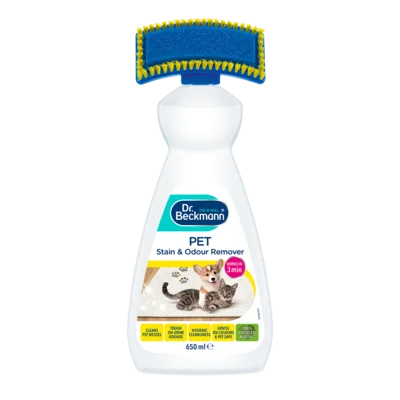
For Pet Stains and Odours: Dr. Beckmann Pet Stain Odour Remover
Pet accidents can leave both visible stains and unwanted odours on sofas, chairs and other upholstered surfaces. The Dr. Beckmann Pet Stain Brush provides a targeted solution for suitable textiles affected by pet-related stains and odours.

How to Clean Different Types of Upholstery
Not every upholstery fabric can be cleaned in the same way. Before cleaning, always check the furniture manufacturer's care instructions and choose a method suitable for the specific material.
Synthetic upholstery fabrics are generally designed for everyday use and can often be relatively easy to maintain.
Vacuum the fabric regularly and treat spills promptly. When using a cleaning product, avoid soaking the material and always test it on an inconspicuous area first.
Cotton upholstery can absorb liquids quickly, making prompt stain treatment important.
Blot spills immediately and avoid using excessive amounts of water. Check the manufacturer's care instructions before wet cleaning, as cleaning suitability can vary depending on the fabric construction and finish.
Regular vacuuming helps remove dust and loose particles from microfibre furniture.
For stains, use only a cleaning method permitted by the furniture manufacturer. Avoid excessive moisture and test the chosen product on a hidden area first.
Delicate, high-quality or unusual upholstery materials require particular care.
Avoid experimenting with water or household remedies without first checking the manufacturer's cleaning instructions. For particularly delicate or valuable furniture, professional cleaning may be the safer option.
How to Deep Clean Upholstery
Before deep-cleaning a sofa, armchair or other upholstered furniture, first check the manufacturer's care instructions.
Start by vacuuming the complete surface, including cushions, seams and crevices. Identify heavily soiled areas and individual stains before selecting an appropriate cleaning method.
Not every upholstery fabric is suitable for wet cleaning, steam cleaners or upholstery cleaning machines. The appropriate method depends on the material, construction and manufacturer's instructions.
Where wet cleaning is permitted, avoid oversaturating the fabric and ensure that the furniture can dry thoroughly afterwards.
How to Remove Pet Stains and Odours from Upholstery
Pets can leave hair, paw marks, stains and unwanted odours on sofas and other upholstered furniture.
Remove loose pet hair first by vacuuming the surface thoroughly. Fresh liquid stains should be blotted with an absorbent cloth rather than rubbed.
Next, use a suitable cleaner designed for the material and type of stain. Treat both the visible stain and any associated odour according to the product instructions.
Allow the cleaned area to dry completely before allowing pets or people to use the furniture again.
Can You Clean Upholstery with Household Remedies?
Household remedies are sometimes used for minor upholstery stains and unwanted odours. However, not every household remedy is suitable for every upholstery material.
Fabrics can differ significantly in their reaction to water, acids, detergents and other cleaning substances. Before using any household remedy, check the furniture manufacturer's care instructions and test the treatment on a small, inconspicuous area.
For stubborn stains or valuable upholstery, a dedicated upholstery cleaner provides a more targeted option.
Upholstery Cleaning: Key Takeaways
Keep upholstered furniture looking fresh by vacuuming it regularly and treating stains as soon as they occur. Always blot rather than rub fresh spills, check the upholstery material and manufacturer’s care instructions before cleaning, and test cleaning products on an inconspicuous area first. Avoid excessive moisture and allow the upholstery to dry completely after cleaning. For stubborn stains, use a suitable upholstery cleaner that is compatible with the fabric.
FAQ
Vacuum frequently used upholstered furniture regularly and treat spills as soon as possible. Deep cleaning should be carried out when necessary and according to the furniture manufacturer’s care instructions.
Start by vacuuming the upholstery thoroughly. Check the material and care instructions, test the chosen cleaner on an inconspicuous area and treat stains carefully without oversaturating the fabric.
Blot fresh stains with a clean, absorbent cloth rather than rubbing them. Then use a stain remover suitable for the upholstery material and follow the product instructions.
No. Cleaning suitability depends on the upholstery material, construction and manufacturer’s care instructions. Some delicate fabrics may not be suitable for wet cleaning.
Many types of upholstery can be cleaned at home, provided the manufacturer’s instructions allow it. Always use a cleaning method compatible with the material and avoid excessive moisture.
Drying time varies depending on the fabric, amount of moisture, ventilation and cleaning method. Allow the upholstery to dry completely before using the furniture again.
Only use a steam cleaner if the furniture manufacturer confirms that the upholstery material is suitable for steam cleaning. Heat and moisture may damage sensitive fabrics.
Blot fresh liquid first, remove loose dirt or pet hair and use a suitable cleaner for the fabric and stain type. Allow the treated area to dry completely afterwards.
Explore More Dr. Beckmann Cleaning Solutions
Dr. Beckmann offers a range of cleaning solutions for different areas of the home. Discover further products and guides for keeping textiles, appliances and household surfaces clean and well cared for.