
Grease Stain Removal: Effective tips & solutions
Last updated:
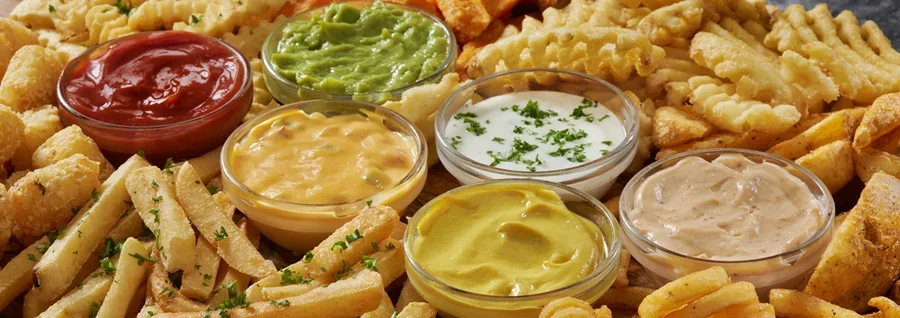
Grease stains are among the most common household stains and can occur while cooking, eating, working on DIY projects, or handling cosmetics and oils. Whether caused by cooking oil, butter, salad dressing, sauces, or other fatty substances, grease can quickly penetrate textile fibers and leave dark, stubborn marks. The good news is that with prompt treatment, suitable household remedies, and specialized Dr. Beckmann products, grease stains can often be removed effectively from a wide variety of materials.
5 Key facts about grease stains
- Fresh grease stains are easier to remove than dried stains.
- Grease penetrates deeply into textile fibers.
- Hot water should only be used after the grease has been removed.
- Absorbing excess grease quickly improves cleaning results.
- Specialized stain removers are often the most effective solution for stubborn grease stains.
Where can grease stains occur?
Grease stains can affect many different materials throughout the home.
Clothing: Shirts, trousers, blouses, aprons, and children's clothing are frequently affected during cooking and meals.
Delicate fabrics: Silk, wool, cashmere, and viscose require careful treatment to avoid damaging the fibers.
Carpets: Dropped food or spilled cooking oils can quickly leave visible grease marks on carpets.
Upholstery: Sofas, dining chairs, cushions, and car seats often come into contact with greasy foods, lotions, or cosmetic products.
Tablecloths and napkins: Dining textiles collect grease stains from sauces, oils, butter, and dressings.
Why are grease stains so stubborn?
Grease and oils can quickly penetrate textile fibers and do not dissolve easily in water. As a stain ages, it can attract dirt and become increasingly difficult to remove, often requiring specialized cleaning agents.
Fresh versus dried grease stains
Fresh grease stains are generally easier to remove than dried stains. Older stains often penetrate deeper into the fibers and may require repeated treatment for the best results.
Important note about heat and tumble drying
Before tumble drying or ironing, make sure the grease stain has been completely removed. Heat can cause remaining grease residues to set deeper into the fibers and make stain removal much more difficult.
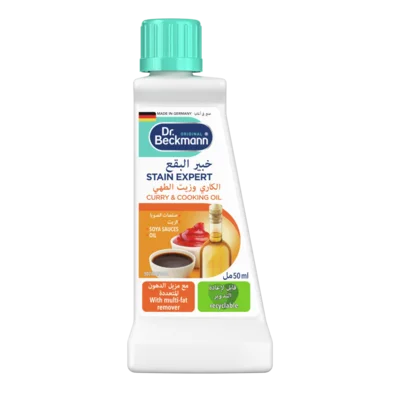
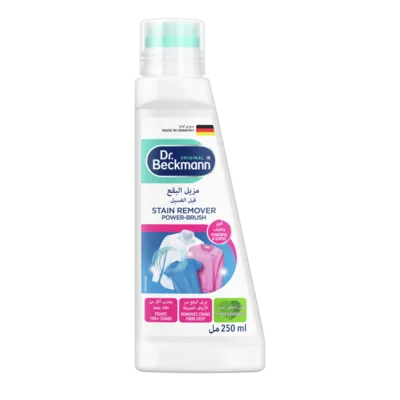
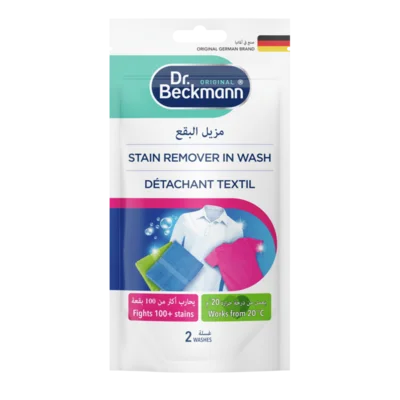
Which Dr. Beckmann products help remove grease stains?
Dr. Beckmann offers targeted stain-removal solutions designed to tackle grease and oil-based stains effectively while remaining gentle on fabrics.
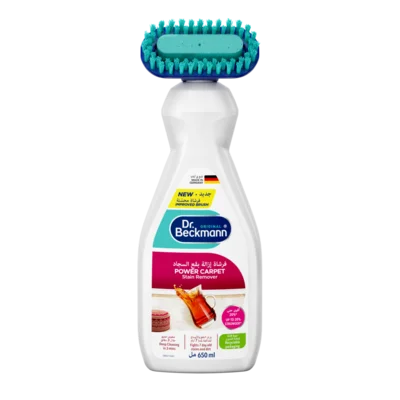
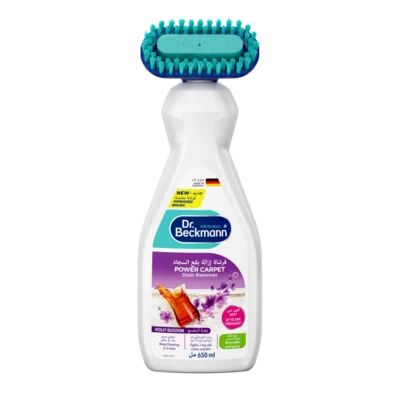

How to remove grease stains from different materials
- Remove excess grease with a spoon or paper towel.
- Blot the stain carefully without rubbing.
- Apply a suitable stain remover directly to the affected area.
- Leave the product to work according to the instructions.
- Wash the garment according to the care label.
- Carefully absorb excess grease.
- Test any product on an inconspicuous area first.
- Use a stain remover suitable for delicate fabrics.
- Treat the stain gently without excessive rubbing.
- Allow the fabric to air dry naturally.
Explanation of third type
Explanation of forth topic
- Remove excess grease immediately.
- Apply a suitable stain remover.
- Wash according to the care instructions.
- Check the stain before drying.
- Repeat treatment if required.
5 Household remedies for grease stains
Several household remedies may help absorb grease and support stain removal.
Household remedies may help absorb fresh grease stains, but older or deeply embedded grease marks often require specialized stain removers for more reliable results.
Always check the care label and test any household remedy on an inconspicuous area before use, especially when treating delicate fabrics.
Designed to break down fats and oils, making it one of the most effective household solutions for grease stains.
… helps absorb grease and loosen oily residues from fabrics and upholstery.
… can absorb fresh grease from textiles before it penetrates deeper into the fibers.
works similarly to cornstarch by drawing grease out of fabrics and upholstery.
A traditional household remedy that can help remove many food and grease-based stains.
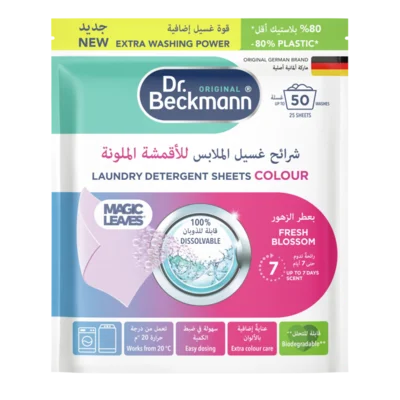
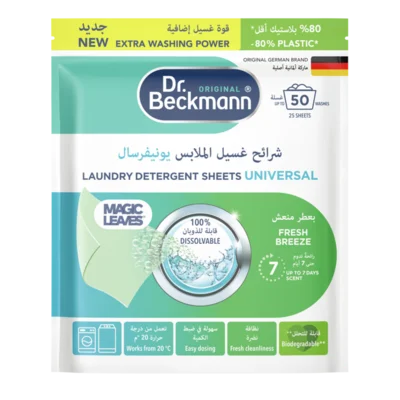
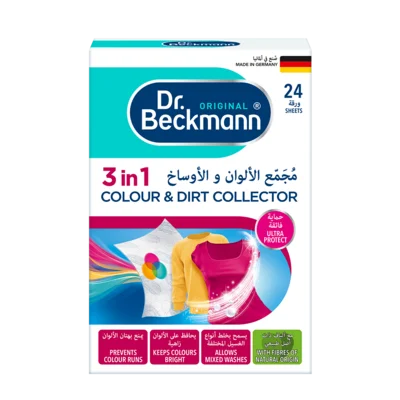
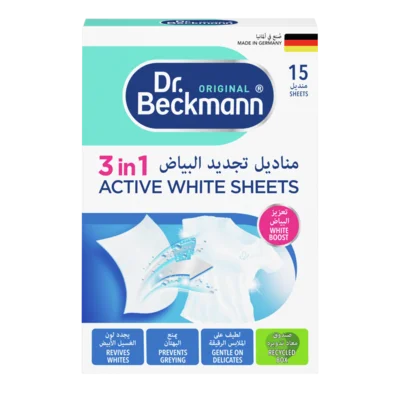
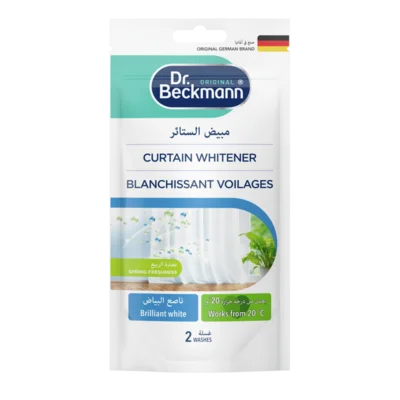
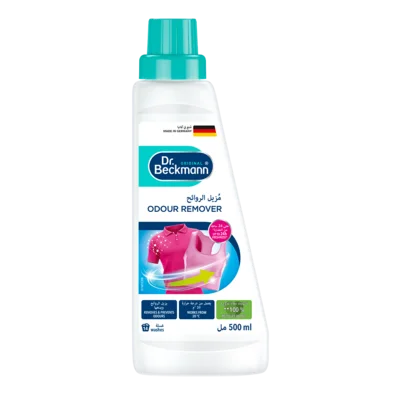
Additional Dr. Beckmann recommendations
After stain removal, proper fabric care helps maintain freshness and prolong the life of your textiles.
FAQ
Dried grease stains often require longer treatment times and repeated applications of a suitable stain remover.
Grease and oils do not dissolve easily in water and can penetrate deeply into textile fibers, making them difficult to remove.
Common household remedies include dishwashing liquid, baking soda, cornstarch, baby powder, and gall soap.
Fresh grease stains can usually be removed successfully, but older stains that have dried or been exposed to heat may become much more difficult to remove.
Grease stains should first be treated with an appropriate stain remover. Hot water should only be used once the grease has been successfully removed.
Brief summary
Grease stains can occur on clothing, delicate fabrics, carpets, upholstery, and table linens. Because grease quickly penetrates fibers and attracts dirt, early treatment is essential. Household remedies such as dishwashing liquid, baking soda, cornstarch, baby powder, or gall soap may help with fresh stains, while stubborn or dried grease marks often require specialized stain removers. With the right treatment and suitable Dr. Beckmann products, grease stains can usually be removed effectively, helping to keep textiles clean, fresh, and looking their best.