

Chocolate Stain Removal: Effective tips & solutions
Last updated:
Chocolate and cocoa stains are among the most common food stains on clothing, upholstery, carpets, and household textiles. Whether caused by melted chocolate, chocolate spread, hot chocolate, cocoa powder, or chocolate desserts, these stains often contain both fats and colour pigments that can penetrate fibres quickly. Learn how to remove chocolate and cocoa stains effectively using household remedies and specialized Dr. Beckmann products.
5 Key facts about chocolate and cocoa stains
- Chocolate stains contain both fats and colour pigments.
- Fresh stains are easier to remove than dried stains.
- Excess chocolate should be removed before cleaning.
- Hot water can make chocolate stains more difficult to remove.
- Specialized stain removers are recommended for stubborn stains.
Where can chocolate and cocoa stains occur?
Chocolate and cocoa stains can occur on many textiles and surfaces:
Clothing: T-shirts, shirts, trousers, dresses, school uniforms, and children's clothing.
Delicate fabrics: Silk, wool, cashmere, viscose, lace, and other sensitive textiles.
Carpets: Chocolate bars, chocolate cake, hot chocolate, or cocoa powder accidents.
Upholstery: Sofas, armchairs, dining chairs, cushions, and car seats.
Table linens: Tablecloths, napkins, placemats, and runners during meals and celebrations.
Bedding: Bed sheets, blankets, duvet covers, and decorative pillows.
Outdoor fabrics: Picnic blankets, garden furniture cushions, and outdoor seating covers.
Why are chocolate and cocoa stains so stubborn?
Chocolate and cocoa stains are particularly difficult to remove because they often combine several stain components. Cocoa contains natural color pigments, while chocolate products also contain fats, sugars, and sometimes dairy ingredients. As the stain dries, these substances can bind more strongly to textile fibers, making removal more challenging.
Hot chocolate may also contain milk and sugar, creating a combination stain that can be more difficult to remove than cocoa powder alone.
Fresh versus dried chocolate stains
Fresh chocolate and cocoa stains are generally easier to remove than dried stains. Once the stain dries, fats, sugars, and pigments can penetrate more deeply into the fibers and often require longer treatment times or repeated applications.
Important note about heat and tumble drying
Before tumble drying or ironing, make sure the stain has been completely removed. Heat can cause fats, sugars, and proteins to bind more strongly to textile fibers, making stain removal significantly more difficult.
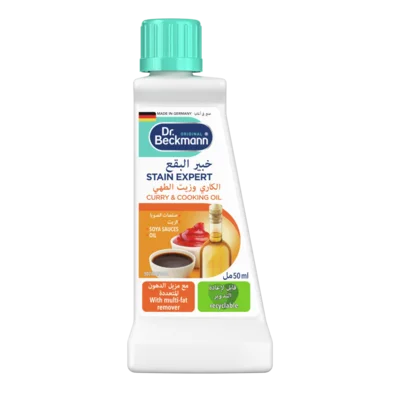
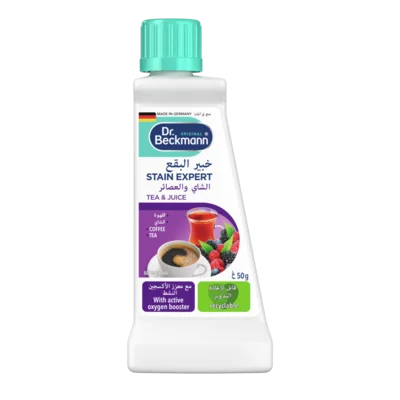
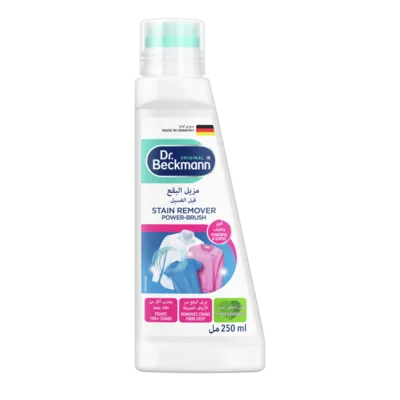
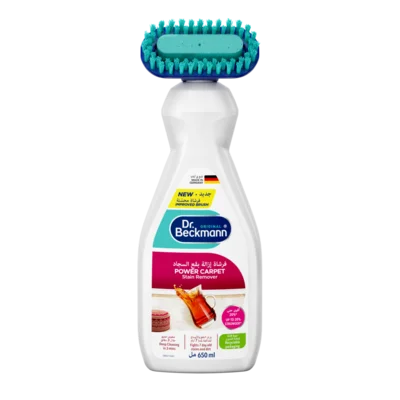
Which Dr. Beckmann products help against chocolate and cocoa stains?
Dr. Beckmann offers targeted stain removal solutions that help remove chocolate and cocoa stains effectively while being gentle on fabrics and surfaces.

How to remove stains from different materials
- Carefully remove excess chocolate using a spoon or blunt knife.
- Apply a suitable stain remover directly onto the stain like Dr. Beckmann Stain Expert Curry & Cooking Oil.
- Leave to work for 10–15 mins. For stubborn stains dab the stain thoroughly with a dry cloth after exposure time.
- Wash the garment following the care label recommendations.
Important: Avoid using hot water before the stain has been removed, as heat may set fats and pigments into the fibres.
- Remove solid chocolate residues immediately.
- Blot the stained area with a clean cloth.
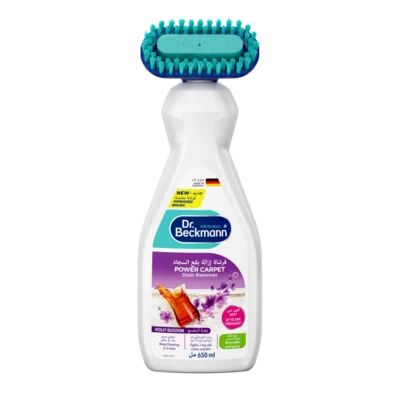
- Apply a carpet or upholstery-safe stain remover like Dr. Beckmann Carpet Stain Remover and Dr. Beckmann Upholstery Stain Remover.
- Work lightly into the fabric. Do not soak. Leave to work for 3 minutes.
- Blot away any residue with a damp light coloured cloth. Rinse brush after use.
- Carefully remove excess chocolate using a spoon or blunt knife.
- Apply a suitable stain remover directly onto the stain like Dr. Beckmann Stain Expert Curry & Cooking Oil.
- Leave to work for 10–15 mins. For stubborn stains dab the stain thoroughly with a dry cloth after exposure time.
- Wash the garment following the care label recommendations.
- Check the stain before drying and repeat treatment if necessary.
- Scrape away any solid chocolate residues.
- Carefully remove excess chocolate using a spoon or blunt knife.
- Apply a suitable stain remover directly onto the stain like Dr. Beckmann Stain Expert Curry & Cooking Oil.
- Leave to work for 10–15 mins. For stubborn stains dab the stain thoroughly with a dry cloth after exposure time.
- Wash the garment following the care label recommendations.
- Air dry and inspect before storing or using again.
5 Household remedies for chocolate and cocoa stains
If you prefer household remedies, several common ingredients may help remove light chocolate and cocoa stains.
Household remedies may help with fresh or light chocolate and cocoa stains, but dried or deeply embedded stains often require specialized stain removers for more reliable results.
Always test household remedies on an inconspicuous area first and follow the care instructions of the material.
Dish soap can help break down the fat content found in chocolate and chocolate spreads before washing.
A baking soda paste may help absorb greasy residues and loosen stain particles from fabrics.
Diluted white vinegar can help lift remaining stain residues and support the cleaning process.
Lemon juice may help reduce light discoloration caused by cocoa pigments, especially on light-coloured fabrics.
Salt can help absorb fresh liquid chocolate spills and prevent the stain from spreading further.
Laundry care beyond stain removal
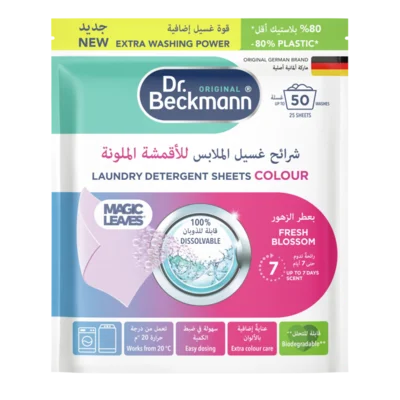
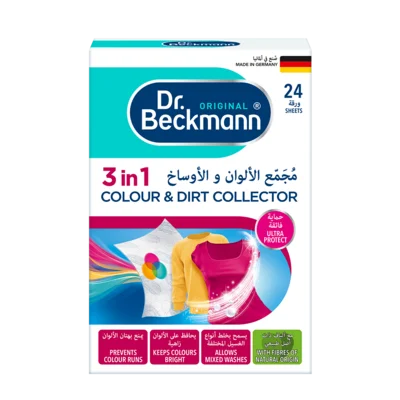
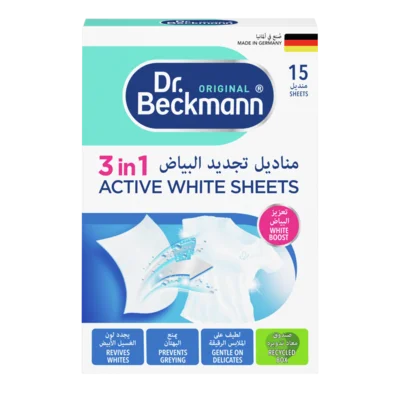
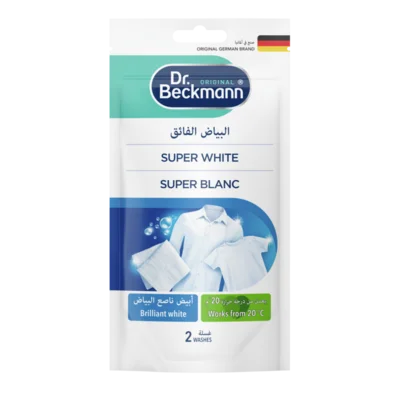
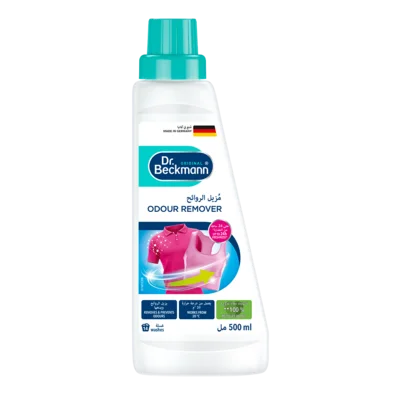
After removing chocolate and cocoa stains, proper fabric care helps keep textiles fresh, hygienic, and looking their best.


FAQ
Chocolate stains often contain a combination of fats, sugars, dairy ingredients, and cocoa pigments that can penetrate textile fibers and leave stubborn residues.
Dried chocolate stains often require longer treatment times and repeated applications of a suitable stain remover.
Cold water is usually recommended first. Heat should only be applied once the stain has been completely removed.
Common household remedies include dish soap, baking soda, white vinegar, lemon juice, and salt.
If left untreated or exposed to heat, chocolate stains can become much more difficult to remove.
Brief summary
Chocolate and cocoa stains commonly affect clothing, carpets, upholstery, bedding, and table linens. Because chocolate contains both fats and colour pigments, prompt treatment is essential for successful stain removal. Household remedies such as dish soap, baking soda, vinegar, lemon juice, and salt may help with fresh stains, while stubborn or dried chocolate stains often require specialized stain removers. Dr. Beckmann offers targeted stain removal solutions designed to remove chocolate and cocoa stains effectively while helping to protect fabrics and colours.