How to Clean a Toilet Properly
Last updated:
A clean toilet is essential for hygiene, comfort and a fresh bathroom. However, daily use can quickly lead to limescale, urine scale, discolouration and unpleasant odours. Particularly in areas with hard water, stubborn deposits can build up in a short period of time.
The good news is that even stubborn dirt and deposits can be effectively removed with the right cleaning method. In this guide, you’ll learn how limescale and stubborn toilet deposits form, how to clean your toilet step by step, and which home remedies and Dr. Beckmann products can help.
Key facts about cleaning your toilet
- Cleaning frequency: Clean thoroughly at least once a week
- Most common problems: Limescale, urine deposits, brown deposits and unpleasant odours
- Causes: Hard water, urine residue and insufficient regular cleaning
- Areas particularly affected: Under the toilet rim, around the waterline and areas with standing water
- Suitable home remedies: Vinegar, citric acid and bicarbonate of soda
- Most important cleaning tip: Allow cleaning products enough time to work
- For optimal hygiene: Clean and replace the toilet brush regularly
- Prevention: Regular cleaning helps prevent stubborn urine scale and limescale deposits
Why Do Limescale and Deposits Form in the Toilet?
The most common types of dirt and deposits found in toilets include:
- Limescale caused by hard water
- Urine scale caused by the combination of urine and limescale
- Brown or yellowish discolouration
- Unpleasant odours caused by deposits and bacteria
Residue tends to build up particularly under the toilet rim and in areas that are constantly in contact with water. If these deposits are not removed regularly, they can harden and become more difficult to clean.
How to Clean a Toilet in 5 Steps
Step 1: Prepare for Cleaning
Put on rubber gloves and make sure the bathroom is well ventilated.
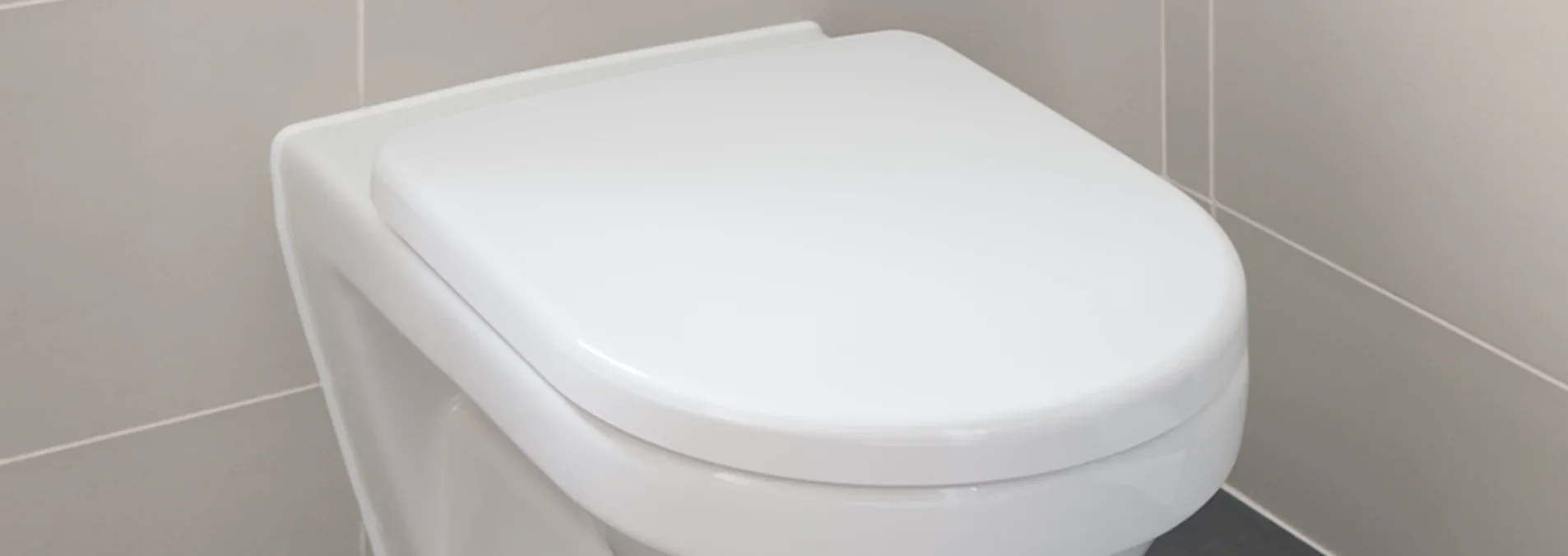
Step 2. Clean the Toilet Seat and Lid
Thoroughly wipe the seat, lid and hinges with a suitable cleaner and a damp cloth.
Step 3. Clean the Toilet Bowl
Apply toilet cleaner to the bowl, paying particular attention to the area under the rim. Allow the product sufficient time to work.
Step 4. Scrub with the Toilet Brush
Thoroughly scrub the entire bowl with the toilet brush to loosen limescale and other deposits.
Step 5. Flush and Wipe Down
Flush the toilet, then clean the outside of the toilet and the floor around it.
How Often Should You Clean Your Toilet?
For optimal hygiene, you should thoroughly clean your toilet at least once a week. In households with several people or in areas with hard water, more frequent cleaning may be beneficial. Regular cleaning helps prevent the build-up of limescale, urine scale and unpleasant odours.
How to Remove Stubborn Deposits from a Toilet
For stubborn limescale or deposits around the waterline, apply a suitable toilet cleaner directly to the affected area and allow sufficient contact time according to the product instructions. Then scrub thoroughly with a toilet brush and flush. Repeat the process if necessary rather than using abrasive tools that could damage the toilet surface.
How to Clean a Toilet with Home Remedies
In addition to specialist cleaning products, certain household remedies can help tackle lighter dirt and deposits.
Important: Never mix different toilet cleaners or household cleaning products. Always follow the product instructions and rinse the toilet thoroughly before using a different cleaning method.
Bicarbonate of soda can help neutralise odours and loosen light deposits.
How to use it:
- Add 3 to 4 tablespoons of bicarbonate of soda to the toilet bowl.
- Leave it to work for 15 to 30 minutes.
- Scrub with the toilet brush.
- Flush the toilet.
Vinegar can help remove limescale and light urine scale deposits.
How to use it:
- Pour around 200 ml of vinegar into the toilet bowl.
- Leave it to work for 30 to 60 minutes.
- Scrub with the toilet brush.
- Flush thoroughly.
Citric acid is particularly suitable for tackling limescale deposits.
How to use it:
- Dissolve 2 to 3 tablespoons of citric acid in warm water.
- Pour the solution into the toilet bowl.
- Leave it to work for up to one hour.
- Scrub with the toilet brush and flush.
Cleaning Your Toilet Made Easy: Our Conclusion
Limescale, urine scale and other deposits are among the most common problems in the bathroom. However, with regular cleaning and the right products, even stubborn dirt and deposits can be effectively removed.
Whether you use proven Dr. Beckmann products or selected home remedies, regular care will help keep your toilet hygienically clean, fresh and well maintained.
FAQs About Cleaning a Toilet
Urine scale can be removed using specialist toilet cleaners or household remedies such as vinegar and citric acid. For stubborn deposits, allowing the cleaner to work for longer can improve results.
Limescale deposits can be treated with limescale-removing cleaners or citric acid. Regular cleaning helps prevent deposits from building up again.
Yes. Bicarbonate of soda, vinegar or citric acid can help with lighter dirt and deposits. For stubborn build-up, specialist toilet cleaners often provide better results.
Urine scale forms when urine reacts with mineral deposits in the water. Over time, this can create hard deposits that adhere to the toilet bowl.
Regular cleaning, frequent flushing and removing deposits can help prevent unpleasant odours from developing.
Additional Dr. Beckmann recommendations
Looking for more ways to keep your bathroom fresh and hygienically clean? Discover additional Dr. Beckmann cleaning products available in your country for tackling bathroom surfaces, stubborn dirt and everyday cleaning tasks.