Removin Tea Stains: Effective Tips & Solutions
Last updated:
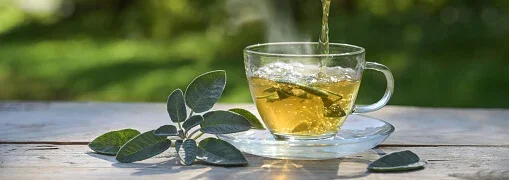
Tea is enjoyed around the world, but spilled tea can quickly leave visible brown stains on fabrics and surfaces. Black tea, green tea, herbal teas, and fruit teas contain natural tannins that can create stubborn discoloration if not treated promptly. Tea stains commonly occur during breakfast, afternoon tea, commuting, or relaxing at home. Fortunately, with the right cleaning methods, household remedies, and specialized Dr. Beckmann products, tea stains can often be removed effectively from a wide range of materials.
5 Key facts about tea stains
- Tea stains contain tannins that can bind strongly to fibers.
- Fresh tea stains are easier to remove than dried stains.
- Cold water is often the best first step for stain treatment.
- Avoid rubbing the stain, as this may push it deeper into the fabric.
- Specialized stain removers are often most effective on stubborn tea stains.
Where can tea stains occur?
Tea stains can affect a variety of materials and surfaces throughout the home and on the go.
Clothing: Shirts, blouses, trousers, sweaters, and workwear are frequently affected by accidental spills.
Delicate fabrics: Silk, wool, cashmere, and viscose require careful stain treatment to avoid damaging the fibers.
Carpets: Spilled tea can quickly soak into carpet fibers and leave noticeable brown marks.
Upholstery: Sofas, armchairs, cushions, and car seats often absorb tea and can develop visible staining.
Tablecloths and napkins: Tea is commonly consumed during meals, breakfast, and social gatherings, making dining textiles especially vulnerable.
Mattresses and bedding: Enjoying tea in bed can sometimes lead to spills on sheets, duvets, and mattress protectors.
Why are tea stains so stubborn?
Tea contains natural tannins that can quickly bind to textile fibers and leave brown discoloration. As the stain dries, these compounds become more difficult to remove, making prompt treatment especially important. Tea containing milk, sugar, or sweeteners may create additional stain residues that require more intensive cleaning.
Fresh versus dried tea stains
Fresh tea stains are generally easier to remove than dried stains. Once the stain has dried, the tannins can penetrate more deeply into the fibers and may require longer treatment times or repeated applications.
Heat and tumble drying warning
Before tumble drying or ironing, make sure the tea stain has been completely removed. Heat can cause remaining tannins to bind more strongly to textile fibers, making the stain much harder to remove.
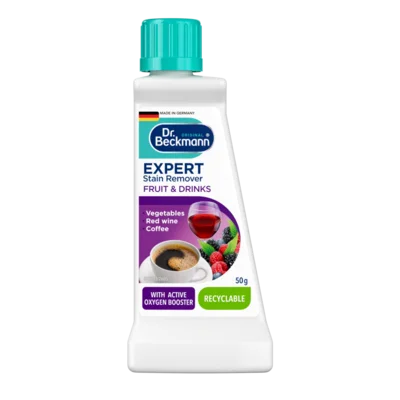
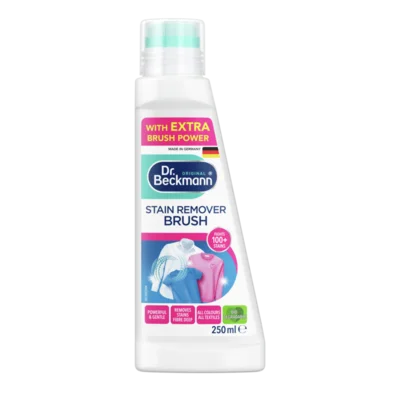
Which Dr. Beckmann products help remove tea stains?
Dr. Beckmann offers targeted stain-removal solutions that help tackle tea stains effectively while remaining gentle on fabrics and fibers.

How to remove tea stains from different materials
- Blot excess tea immediately with a clean cloth.
- Rinse the stain from the reverse side with cold water.
- Apply a suitable stain remover directly to the stain like Dr. Beckmann Stain Remover Power Brush.
- Leave to work for up to 10 min.
- Wash the garment according to the care label.
- Absorb excess liquid immediately.
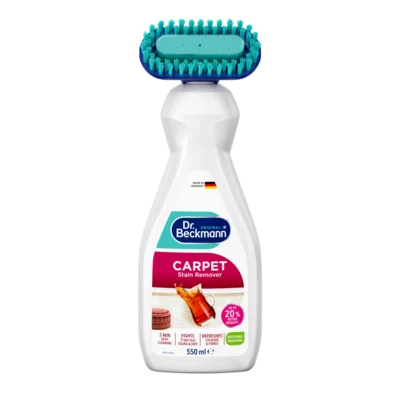
- Apply a suitable carpet cleaner like Dr. Beckmann Carpet Stain Remover.
- Work lightly into the fabric. Do not soak. Leave to work for 3 minutes.
- Blot away any residue with a damp light coloured cloth. Rinse brush after use.
- Blot away loosened residues.
- Allow the carpet to dry completely.
- Remove excess tea using a clean cloth.
- Treat the stain with a stain remover like Dr. Beckmann Upholstery Stain Remover.
- Apply and work lightly into the fabric. Do not soak.
- Leave to work for 3 minutes.
- Completely dab off any residues with a damp light-coloured cloth. Rinse brush after use.If water-mark or ring appears, dab thoroughly with a damp, light-coloured cloth.
- Check the stain before drying.
- Repeat treatment if necessary.
- Rinse immediately with cold water.
- Apply a suitable stain remover directly to the stain like Dr. Beckmann Stain Remover Power Brush.
- Leave to work for up to 10 min.
- Wash the garment according to the care label.
- Check the stain before drying and repeat treatment if necessary.
5 Household remedies for tea stains
Several household remedies may help remove tea stains or reduce discoloration.
Household remedies may help with fresh or light tea stains, but dried or deeply embedded stains often require specialized stain removers for more reliable results.
Always check the care label and test any household remedy on an inconspicuous area before use, especially when treating delicate fabrics.
Its natural acidity can help loosen tea tannins and brighten stained fabrics, particularly lighter-colored textiles.
A paste made from baking soda and water may help lift tea stains and neutralize odors.
Can help break down tea residues and reduce discoloration on washable materials.
May help absorb fresh spills and support stain removal when applied quickly.
The carbonation can help loosen fresh tea stains before they dry.
Additional Dr. Beckmann recommendations
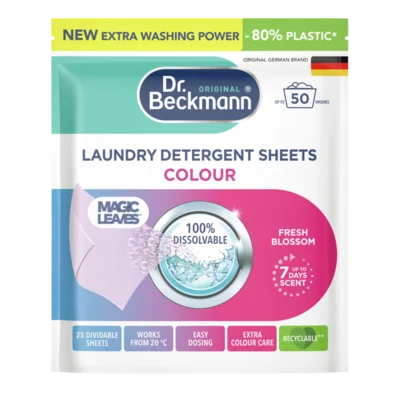
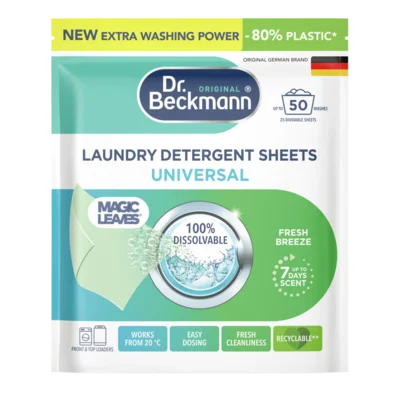
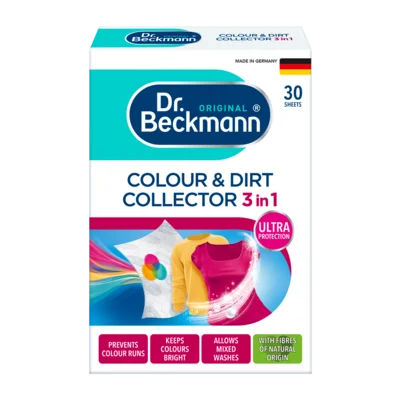
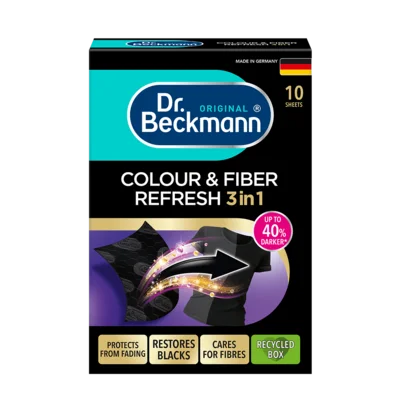
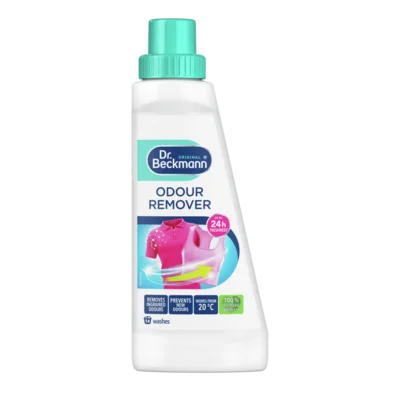
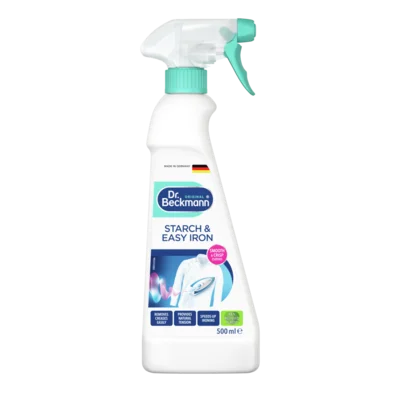
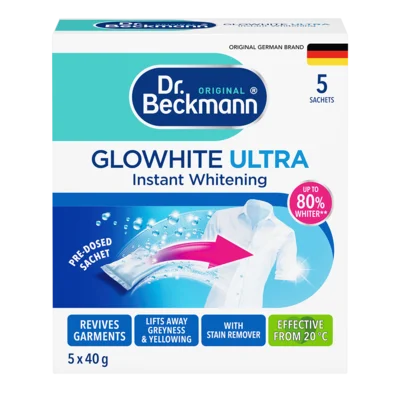
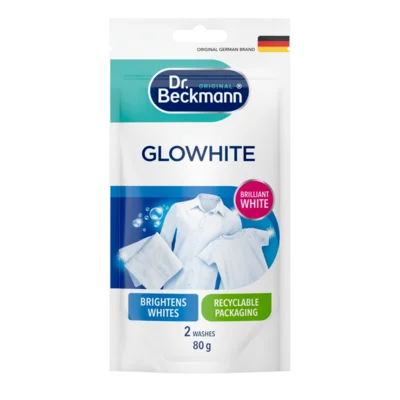
After stain removal, proper fabric care helps maintain freshness and prolong the life of your textiles.
FAQ
Tea contains tannins that can bind strongly to textile fibers and cause stubborn discoloration.
Dried tea stains often require longer treatment times and repeated applications of a suitable stain remover.
Cold water is usually recommended first, as it helps prevent the stain from setting more deeply into the fibers.
Common household remedies include lemon juice, baking soda, white vinegar, salt, and sparkling water.
If left untreated for a long time or exposed to heat, tea stains can become much more difficult to remove.
Brief summary
Tea stains are common household stains that can occur on clothing, delicate fabrics, carpets, upholstery, table linens, and even on bedding. The tannins naturally found in tea can leave stubborn brown marks if stains are not treated promptly. Household remedies such as lemon juice, baking soda, vinegar, salt, or sparkling water may help with fresh stains, while dried or stubborn tea stains often require specialized stain removers. With the right treatment and suitable Dr. Beckmann products, tea stains can usually be removed effectively, helping to keep textiles and household items clean, fresh, and looking their best.