How to Clean Your Coffee Machine
Last updated:
Coffee tastes best when your machine is clean and well cared for. Over time, coffee residue, oils, milk residue and limescale can build up in different parts of a coffee machine. This can cause unpleasant odours, visible deposits and may affect the taste of your coffee and the performance of the appliance.
Regular cleaning helps remove these deposits and keeps your coffee machine clean and well maintained. How often cleaning and descaling are needed depends on the type of machine, how frequently you use it and the hardness of your water.
What matters when cleaning a coffee machine?
- Remove coffee residue and rinse removable parts regularly to prevent stubborn build-up.
- Clean parts that come into contact with milk after use according to the appliance manufacturer’s instructions.
- Empty and clean the drip tray and coffee grounds container regularly.
- Descale the coffee machine when needed, depending on water hardness, usage and the appliance manufacturer’s recommendations.
- Use only cleaners and descalers suitable for your type of coffee machine.
- Always follow your coffee machine manufacturer’s cleaning and maintenance instructions, including automatic cleaning or descaling programmes.
How do residues and limescale build up in a coffee machine?
Every time you prepare coffee, coffee oils and residue can remain in parts of the machine that come into contact with coffee or grounds. Machines with milk systems may also develop milk residue in tubes, nozzles or other components if these are not cleaned properly.
Minerals in water can form limescale inside water-bearing parts of the appliance. The amount of limescale depends largely on local water hardness, the water used and how frequently the machine operates.
Regular cleaning of removable components and descaling when necessary help prevent stubborn deposits and keep the machine well maintained.
Which products help to clean a coffee machine?
Different types of build-up may require different cleaning solutions. Coffee residue, oils and limescale can occur in different parts of a coffee machine, so both regular cleaning and descaling when needed are important parts of appliance care.
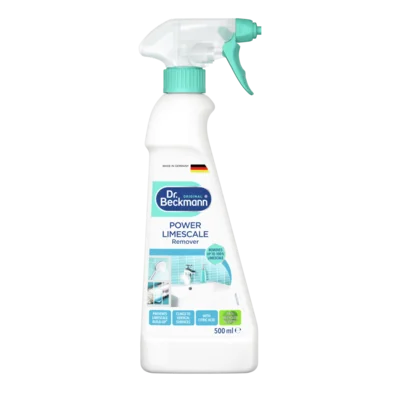
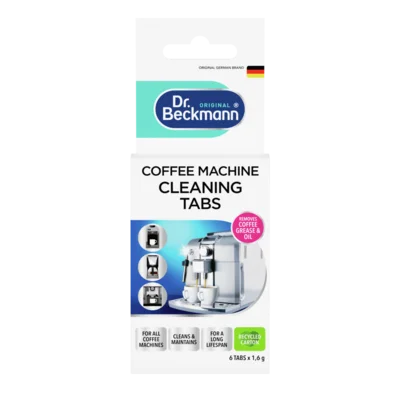
Discover the Dr. Beckmann coffee machine cleaning and descaling solutions available in your country below. Always follow the product instructions and your coffee machine manufacturer’s care recommendations.
Cleaning your coffee machine the right way
The exact cleaning procedure depends on the type of coffee machine you have. Fully automatic coffee machines, capsule and pod machines, espresso machines and filter coffee makers may require different cleaning methods.
Before removing or cleaning individual components, always check the appliance manual.
Coffee residue and moisture can collect in removable components such as drip trays, coffee grounds containers, filter holders or other parts, depending on the machine.
Remove these components according to the manufacturer’s instructions. Empty loose residue and clean the parts with warm water and a soft cloth or sponge using a suitable cleaner if needed.
Check whether individual components are dishwasher-safe before putting them in the dishwasher, as this varies by appliance.
Allow the parts to dry as recommended before reinstalling them.
Coffee oils and residue can accumulate in components involved in brewing coffee. Depending on the appliance, this may include a removable brewing unit, filter holder or internal brewing system.
Clean accessible parts according to the appliance manufacturer’s instructions. If your machine has an automatic cleaning programme, use a cleaning product suitable for the appliance and follow both the product instructions and the programme recommended by the manufacturer.
Do not remove internal components unless the appliance manual states that they are designed to be removed by the user.
Milk residue can remain in tubes, nozzles, frothers and containers after preparing drinks such as cappuccino or latte macchiato.
Clean milk-contact parts after use according to the appliance manufacturer’s instructions. Depending on the machine, components may need to be rinsed, removed for cleaning or cleaned using an automatic milk-system programme.
Pay particular attention to narrow tubes and nozzles where residue can be difficult to see.
Empty and rinse the water tank regularly according to the manufacturer’s instructions. If deposits become visible, clean the tank carefully with a soft cloth or sponge and a cleaning product suitable for the material if needed.
Rinse thoroughly before refilling the tank.
Coffee splashes, fingerprints and dust can collect on the exterior of the machine.
Wipe the housing with a soft, damp cloth and use only products suitable for the appliance surface. Avoid abrasive sponges and aggressive cleaning products that could scratch or damage glossy, stainless-steel or coated surfaces.
Keep liquids away from electrical components and openings.
Limescale can build up wherever water flows through the coffee machine. How quickly this happens depends largely on water hardness and how frequently the appliance is used.
Descale the machine when recommended by the appliance, according to the manufacturer’s instructions or when required based on local water hardness.
Use a descaler suitable for your type of coffee machine and follow both the dosage and descaling procedure specified for the product and appliance. If your machine has an automatic descaling programme, follow the programme instructions.
How to help keep your coffee machine clean
A few simple habits can help prevent stubborn residue from building up:
- Empty coffee grounds and drip trays regularly.
- Remove coffee residue before it dries onto removable components.
- Rinse removable parts according to the appliance manufacturer’s instructions.
- Clean parts that come into contact with milk promptly after use.
- Use the machine’s recommended cleaning and descaling programmes.
- Refill the water tank with suitable fresh water and keep the tank clean.
- Descale according to water hardness and the appliance manufacturer’s recommendations.
For fully automatic machines in particular, pay attention to cleaning or descaling notifications shown by the appliance rather than relying solely on a fixed cleaning schedule.
Can home remedies be used to clean a coffee machine?
Some household remedies are commonly suggested for cleaning or descaling coffee machines. However, coffee machines contain different materials, seals, tubes and internal components, and not every household remedy is suitable for every appliance.
Always check your coffee machine manufacturer’s care instructions before using anything other than the recommended cleaning or descaling products.
Citric acid is commonly used for removing limescale from household items. However, its suitability for coffee machines depends on the appliance, concentration, temperature and materials used inside the machine.
Only use citric acid if it is permitted by the coffee machine manufacturer and follow the instructions provided with the citric-acid product rather than using an improvised concentration or procedure.
Vinegar is often suggested as a household descaler, but its acidity and strong smell mean that it may not be suitable for every coffee machine or its internal components.
Only use vinegar if your appliance manufacturer explicitly permits it. Otherwise, use a descaling product designed for coffee machines.
Bicarbonate of soda is sometimes used for cleaning removable household items or tackling odours. It should not automatically be used inside the water circuit or brewing system of a coffee machine.
If you want to use it on a removable component, first check whether the appliance manufacturer recommends or permits its use.
For internal cleaning or limescale build-up, a purpose-made coffee machine cleaner or descaler is usually the more targeted option.
Brief summary
Regular cleaning helps prevent coffee residue, oils, milk residue and limescale from building up in your coffee machine. Clean removable components regularly, pay particular attention to parts that come into contact with milk and descale the appliance when needed according to water hardness and the manufacturer’s recommendations.
Use only cleaning and descaling products suitable for your type of coffee machine. Household remedies may not be appropriate for internal components, so always check the appliance manufacturer’s instructions before using them.
For stubborn deposits or limescale, purpose-made coffee machine cleaners and descalers are the more targeted choice. Whatever cleaning method you choose, always follow the product instructions and your coffee machine manufacturer’s cleaning and maintenance recommendations.
FAQ: Cleaning coffee machines
How often a coffee machine needs cleaning depends on the type of appliance, how frequently it is used and which drinks you prepare. Empty coffee grounds and drip trays regularly, clean milk-contact parts according to the manufacturer’s instructions and run cleaning programmes when recommended by the appliance. Always follow your machine manufacturer’s cleaning schedule.
Clean removable components such as the drip tray, coffee grounds container and, where applicable, the brewing unit according to the appliance manufacturer’s instructions. Clean the milk system after use and run the machine’s cleaning programme when required. Use only cleaners intended for the appliance and never remove internal components unless the manufacturer states that they are user-removable.
Clean all milk-contact parts according to the appliance manufacturer’s instructions after preparing milk-based drinks. Depending on the machine, tubes, nozzles and containers may need to be rinsed, removed for cleaning or cleaned using an automatic milk-system programme. Use a suitable milk-system cleaner if specified by the manufacturer.
Many coffee machines display a notification when descaling is required. The frequency also depends on water hardness, usage and the appliance settings. Follow the machine’s descaling indicator and manufacturer’s recommendations rather than relying on a fixed interval.
Vinegar should only be used if the coffee machine manufacturer explicitly permits it. Its acidity may not be suitable for every appliance or component. A purpose-made coffee machine descaler is usually the more targeted option and should be used according to the product and appliance instructions.
Discover more household cleaning solutions
A well-cared-for coffee machine is just one part of a clean home. Dr. Beckmann offers practical cleaning solutions for different appliances, surfaces and everyday cleaning challenges. Discover more products available in your country and find the right solution for your cleaning needs.